
Table of Contents
How do you know if you're getting a good deal on a used car?
It’s not just about finding the lowest price, it’s about making sure the vehicle is reliable, fairly priced, and free of hidden issues.
Check the market value, review the vehicle history report, look for maintenance records, and get a pre-purchase inspection. Watch out for red flags like missing titles, leaks, or evasive sellers. A good deal combines the right price with peace of mind and a car you can trust.
Buying a used car can save you thousands—but only if you know what to look for. With so many makes, models, prices, and sellers out there, how do you know you're getting a good deal and not a future headache?
Here are seven key ways to know if that used car is worth your time, money, and trust:
1. Check the Market Value
Before you commit, compare the car’s price with its market value. Tools like:
- Kelley Blue Book (KBB)
- Edmunds
- NADA Guides
- CARFAX History-Based Value
...can give you a realistic price range based on mileage, condition, location, and features.
Tip: If the price seems too low, there may be something wrong. If it’s too high, the seller may be inflating the price unnecessarily.
2. Review the Vehicle History Report
A vehicle history report is one of the most powerful tools you have. It tells you:
- If the car has been in an accident
- How many owners it’s had
- If the title is clean or salvaged
- Maintenance and service records
- Any recalls or open issues
Most dealerships provide this for free. If they don’t, that’s a red flag.
3. Look for Maintenance Records
A well-maintained car is a good car. Ask for service records, oil change receipts, or dealership maintenance logs. If you see regular maintenance (like oil changes, tire rotations, brake service), that’s a good sign the previous owner took care of the vehicle.
No records? It’s not a dealbreaker—but proceed with caution.
4. Get a Pre-Purchase Inspection (PPI)
Even if everything looks good on the surface, it's smart to get a professional mechanic to inspect the vehicle before you buy it—especially if you're buying from a private seller.
A PPI can uncover:
- Hidden engine problems
- Transmission issues
- Suspension wear
- Frame damage
- Signs of flood or fire damage
Some dealerships already include this inspection, or you can request it before finalizing the sale.
5. Watch for Red Flags
Here are some warning signs the deal might not be so great:
- No title or missing VIN stickers
- Seller avoids questions or pushes you to decide quickly
- Visible oil leaks or rust
- Inconsistent paint (may signal body damage repair)
- Dashboard lights that won’t turn off
If something feels “off,” trust your gut.
6. Ask About Warranty or Return Policy
Most private sellers won’t offer any protection after the sale. But dealerships often include warranties, especially for Certified Pre-Owned vehicles.
Ask:
- Is there a 30-day warranty or powertrain guarantee?
- What happens if something breaks a week after purchase?
- Is there a return or exchange window?
Even a limited warranty can give you peace of mind and make the deal more attractive.
📉 7. Compare It to Similar Vehicles
Before signing the paperwork, check out similar cars in your area:
- Same year, make, and model
- Similar mileage and condition
- From both dealers and private sellers
If the price you're being offered is below average and everything checks out, it's probably a great deal. If it's significantly above, you have room to negotiate—or walk away.
Final Thoughts
A good deal isn’t just about price—it’s about value, condition, and confidence. By doing a little homework and asking the right questions, you can avoid costly surprises and drive away with a car that fits your life and your budget.
Looking for a Good Deal on a Used Car?
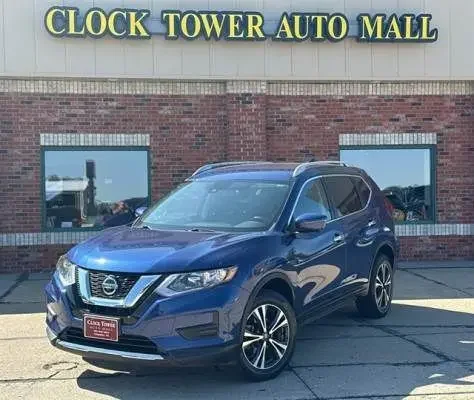
At Clock Tower Auto Mall, We Say Yes When Others Say No, every vehicle we sell is fully inspected, includes a vehicle history report, and comes with no-pressure pricing—so you can shop smart and drive happy.
Browse our inventory online or stop by for a test drive today.
Frequently Asked Questions
Use pricing tools like Kelley Blue Book (KBB), Edmunds, NADA Guides, or CARFAX to compare the car's price against the market value based on year, mileage, and condition.
Yes. A vehicle history report reveals past accidents, title issues, service history, and ownership records. It's one of the most important tools to verify the car’s condition and background.
Absolutely. A pre-purchase inspection (PPI) by a qualified mechanic can uncover hidden problems like engine issues, frame damage, or signs of flood damage that aren't obvious during a test drive.
Watch out for sellers who avoid questions, missing VIN stickers, no title, visible oil leaks, dashboard warning lights that stay on, or mismatched paint indicating past damage.
Not always, but reputable dealers often include warranties, history reports, and vehicle inspections. Always ask about any return policies, warranties, and check the vehicle’s background just like you would with a private sale.
Yes! Compare prices for similar vehicles in your area to know the going rate. If the price is high compared to others, you have room to negotiate. If it’s low but checks out after inspection and history checks, it might be a great deal.
If a car is priced far below market value, be cautious. It could have hidden problems, salvage history, or pending mechanical issues. Always verify the title, get an inspection, and ask for maintenance records.

Comments
Log in to add a comment.